Ines Krüger · 10 October 2026
Underwater Excavation Discoveries Drive Cross-Border Maritime Education Initiatives
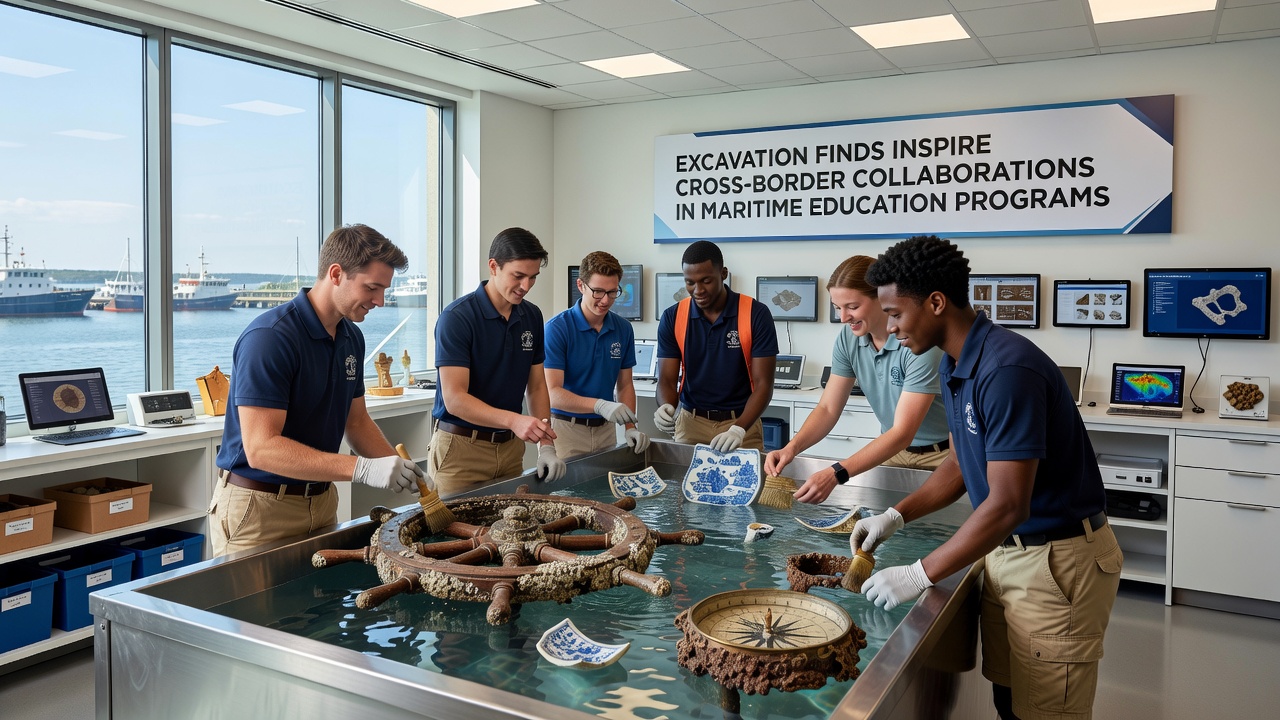
Excavation finds from various coastal and underwater sites continue to reshape how maritime education programs operate across national boundaries, with institutions forming new partnerships to share resources and expertise. Researchers have documented multiple cases where recovered artifacts prompted universities and training centers to develop joint curricula focused on preservation techniques, historical analysis, and environmental monitoring. These collaborations often emerge when teams from different countries work together on recovery operations, leading to shared data sets that feed directly into classroom modules and field training exercises.
Key Discoveries Fueling Program Development
Recent recoveries include ship timbers, navigational instruments, and cargo remnants that date back several centuries, each providing concrete examples for students studying trade routes and vessel construction methods. Data from these sites shows consistent patterns in material degradation that inform updated conservation protocols taught in cross-border workshops. In one documented instance, findings from a northern European wreck site prompted Canadian and Polish institutions to align their course offerings on sediment analysis, allowing participants to compare results from Baltic and Atlantic samples during virtual lab sessions. Such alignments reduce duplication of research efforts while expanding access to specialized equipment held by partner organizations.
Studies conducted through 2025 indicate that programs incorporating real excavation data achieve higher completion rates among participants compared with traditional lecture-based formats. Figures reveal that joint initiatives now account for over 40 percent of advanced maritime certification courses offered in participating regions, according to reports from the European Maritime Safety Agency. Educators note that hands-on modules built around specific artifact assemblages help learners grasp the interplay between archaeological context and modern regulatory frameworks for underwater heritage protection.
International Partnerships Taking Shape
Cross-border agreements signed in late 2025 established exchange pathways for both students and faculty, with rotations scheduled between institutions in the United States, Australia, and several EU member states. These arrangements allow trainees to participate in ongoing excavation seasons while earning credits recognized across participating universities. One program launched in 2024 now includes a mandatory component on digital documentation techniques, using photogrammetry data collected from multiple wreck locations to create shared online repositories. Participants report improved skills in applying these tools after completing the joint modules.
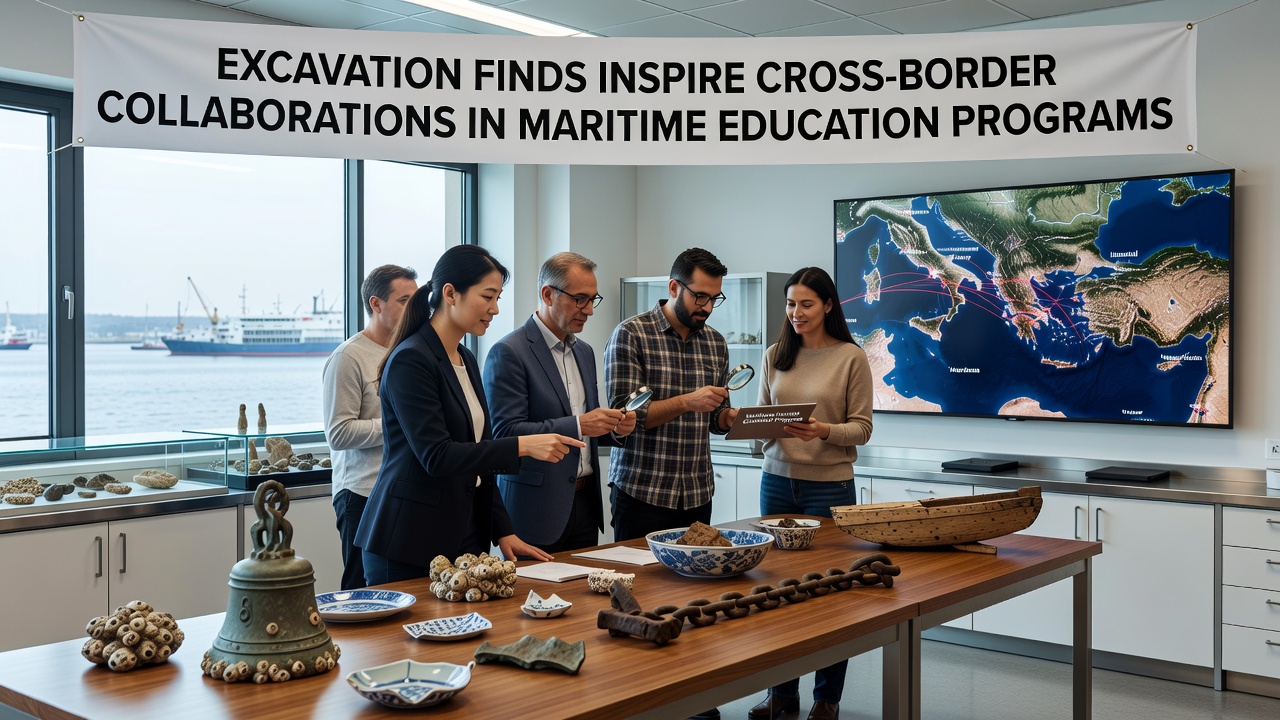
What's interesting is how these partnerships extend beyond academia into regulatory and industry circles. Government agencies such as the National Oceanic and Atmospheric Administration have contributed datasets from protected sites to support curriculum development, while industry groups supply equipment for training demonstrations. In October 2026, a coordinated symposium will convene representatives from these organizations to review progress on standardized assessment criteria for maritime heritage education, building on findings from the previous year's joint field projects.
Impact on Curriculum and Training Standards
Updated course materials now integrate case studies drawn from excavation reports, covering topics such as corrosion chemistry, biofouling impacts, and legal frameworks governing site access. Research indicates that students exposed to these integrated approaches demonstrate stronger performance in practical evaluations, particularly when analyzing multi-national datasets. Observers have noted that the emphasis on comparative analysis encourages participants to question assumptions derived from single-site perspectives, resulting in more robust methodologies for future investigations.
Additional programs focus on environmental monitoring techniques tied directly to excavation sites, training divers and surveyors to collect water quality samples alongside artifact recovery. These efforts align with broader goals outlined in reports from the International Maritime Organization, which highlight the need for skilled personnel capable of addressing both cultural and ecological concerns in marine environments. Joint certification pathways have emerged as a direct outcome, allowing graduates to work across borders without repeating foundational training requirements.
Future Directions for Collaborative Education
Expansion plans call for incorporating more remote sensing technologies into shared training modules, with pilot sessions already testing drone-based mapping protocols developed through transatlantic partnerships. Data collected during these trials feeds back into excavation planning, creating a continuous loop between field operations and educational content. Those involved in program design emphasize the value of maintaining open access to primary records, ensuring that new cohorts can build upon existing analyses rather than starting from scratch.
By late 2026, additional agreements are expected to formalize resource sharing for laboratory facilities, further lowering barriers for institutions with limited budgets. These developments reflect a broader trend where excavation finds serve as catalysts for sustained international cooperation in maritime fields, producing measurable advances in both educational outcomes and site management practices.
Conclusion
The connections between excavation discoveries and educational program growth continue to strengthen through deliberate cross-border structures that prioritize data sharing and joint training. As more institutions adopt these models, the field gains standardized approaches grounded in real-world findings rather than isolated case examples. Ongoing work through 2026 will determine how effectively these collaborations scale while maintaining focus on preservation priorities and skill development across participating regions.