Ines Krüger · 2 September 2026
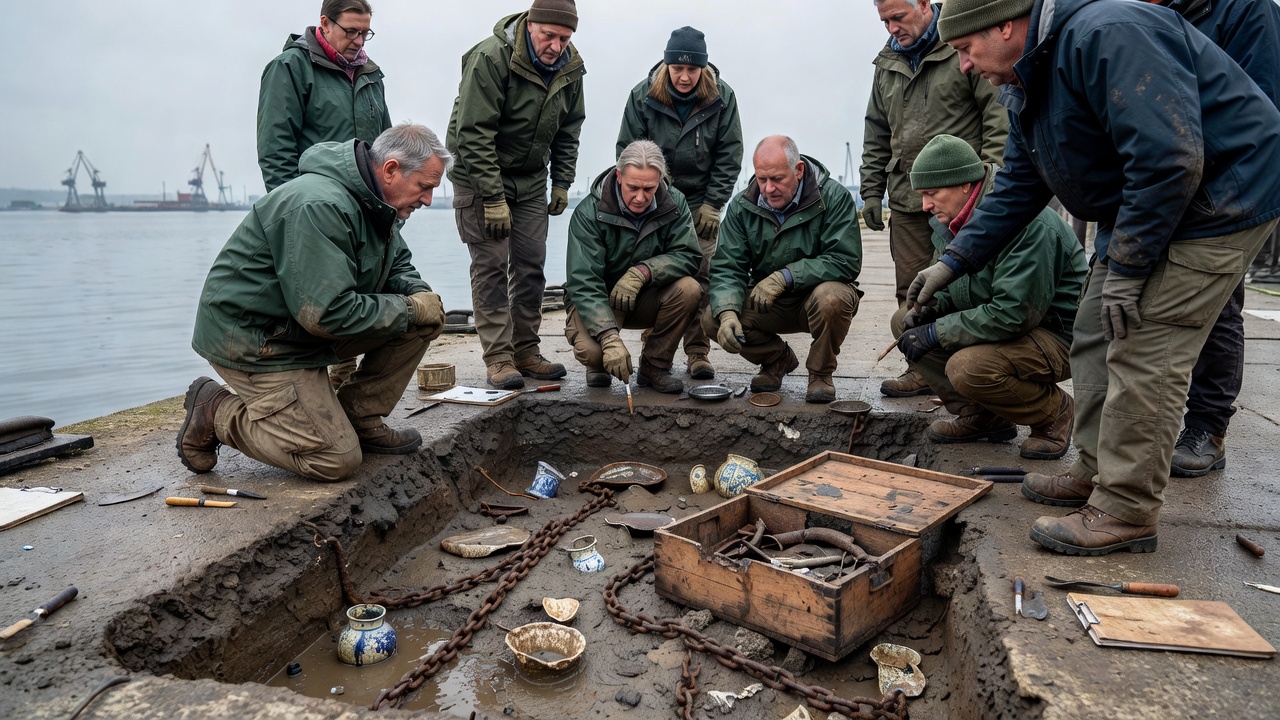
Polish archaeologists have announced the discovery of several previously unknown artifacts at the Clara Dock site in northern Poland. The findings, made during a routine excavation led by the University of Warsaw, include pottery fragments, metal tools, and inscribed stone tablets dating back to the early medieval period. Researchers say the artifacts provide fresh insight into trade networks along the Baltic coast.
Excavation Process and Initial Findings
The team began work in late spring after receiving permits from regional heritage authorities. Using ground-penetrating radar, they identified subsurface anomalies that led to targeted trenches. Within the first week, workers recovered over two dozen ceramic shards featuring distinctive Baltic patterns. Subsequent layers yielded bronze implements and a small cache of amber beads, suggesting the site served as a seasonal trading post. Laboratory analysis confirmed the materials originated from both local sources and regions as far as the Black Sea. The inscribed tablets, though fragmentary, contain runic-like markings that experts are currently deciphering. All items were documented in situ before removal to controlled storage facilities to prevent degradation.
Academic Implications and Future Plans
Scholars associated with the Clara Dock Academic Journal note that these artifacts challenge existing models of early Slavic settlement patterns. The presence of imported goods indicates stronger connections with Scandinavian and Eastern European groups than previously assumed. Carbon dating places the primary occupation layer between the eighth and tenth centuries. The research team plans a second season next year focused on expanding the excavated area and conducting isotopic studies on the human remains found nearby. Results will be published in upcoming issues of the journal, with preliminary reports already shared at international conferences. Conservation efforts continue under strict environmental controls to preserve the delicate organic materials for long-term study.