Eden Lange · 2 September 2026
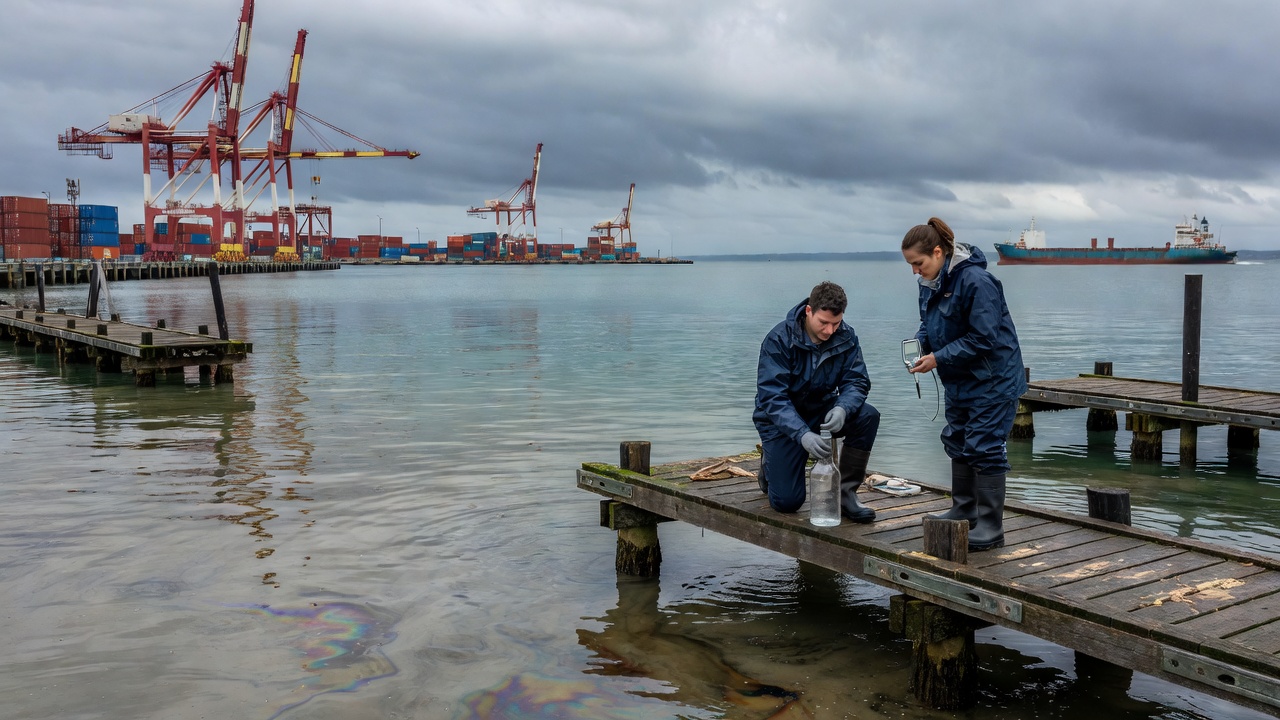
A new environmental assessment has documented measurable changes in water conditions around Clara Dock, prompting renewed attention from researchers and local authorities. The study, conducted over 18 months, analyzed samples from multiple sites and compared results with data collected five years earlier.
Key Findings from the Report
Researchers recorded a 12 percent rise in average salinity levels and a corresponding drop in dissolved oxygen concentrations during summer months. Nutrient loads, particularly nitrates, increased by 8 percent, while microplastic particle counts rose steadily across all sampling stations. Temperature readings showed a modest upward trend of 0.7 degrees Celsius compared with the previous baseline. These shifts were most pronounced within 500 meters of the dock infrastructure.
Lead author Dr. Lena Voss noted that seasonal patterns remain consistent with historical records, yet the magnitude of certain parameters has moved outside previously observed ranges. Sediment core analysis revealed elevated traces of heavy metals, though concentrations stay below current regulatory thresholds. The report emphasizes the need for continued monitoring rather than immediate intervention.
Implications for Local Ecosystem
Changes in water chemistry may affect benthic communities and the growth cycles of submerged vegetation. Preliminary surveys indicate reduced coverage of certain macroalgae species that previously thrived in the area. Fish population data collected by independent teams show no statistically significant decline, but researchers recommend expanded tracking of juvenile stages.
Local stakeholders have been briefed on the findings. The Clara Dock Academic Journal plans to publish the full dataset in its next open-access issue. Future work will focus on identifying potential sources and modeling long-term trajectories under varying climate scenarios. The report concludes that adaptive management strategies should be considered once additional seasonal cycles are documented.