Olivia Zimmermann · 2 September 2026
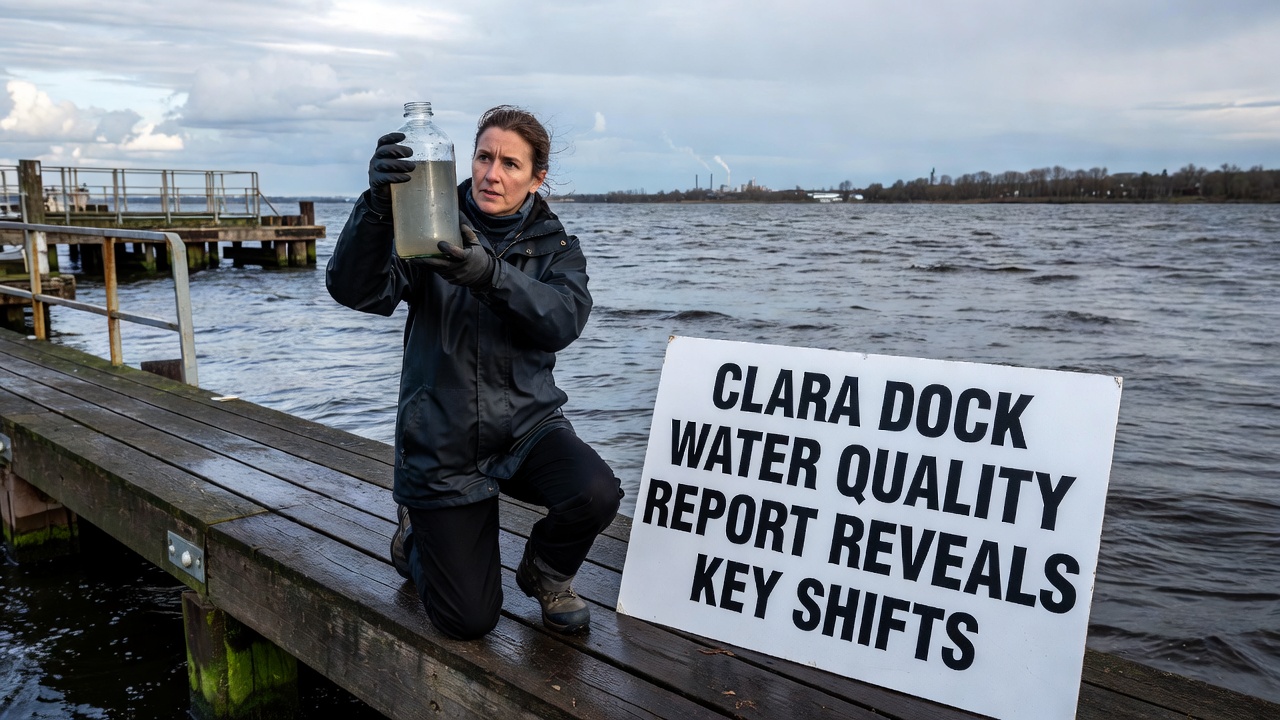
A recent study published in the Clara Dock Academic Journal details significant shifts in water quality near Clara Dock. The report, based on extensive field data, highlights changes in several key indicators that could impact the surrounding environment. Scientists involved in the project gathered information from buoys and manual sampling stations positioned strategically around the dock area. Further investigation into groundwater interactions indicates potential leaching from nearby landfills affecting salinity gradients. Climate variability plays a role, with extreme weather events exacerbating nutrient loading.
Analysis of Water Parameters
The analysis shows an increase in water temperature averaging 0.8 degrees Celsius annually over the last five years. This warming has led to reduced oxygen solubility, stressing aquatic organisms. Levels of nitrates have risen by 15 percent, linked to fertilizer use in adjacent farmlands. Phosphate concentrations also exhibit upward trends during peak runoff seasons. Heavy metal traces are monitored closely, with zinc showing the most notable elevation but still within safe limits. Microplastic particles were detected in 80 percent of samples, originating from packaging waste and synthetic fibers. The methodology included gas chromatography and mass spectrometry for precise quantification of organic pollutants. Community stakeholders have been engaged to discuss preliminary results and gather anecdotal evidence supporting the quantitative findings.
Effects on Marine Biodiversity
Marine life responses vary across species groups. Fish populations, particularly those sensitive to temperature, have shown reduced spawning success. Shellfish appear more tolerant but face competition from invasive algae species thriving in nutrient-rich waters. Bird populations dependent on fish stocks may experience indirect effects in coming seasons. The report calls for integrated management approaches involving local authorities and research institutions. Mitigation strategies proposed encompass buffer zones for agriculture and stricter regulations on vessel discharges. Long-term monitoring is essential to validate projections and adjust policies accordingly. Data from this study contributes to broader understanding of coastal ecosystem responses to anthropogenic pressures. Future research directions include modeling scenarios for different climate change pathways and evaluating restoration techniques such as wetland reconstruction.