Iris Schmidt · 12 September 2026
Archivists Secure Support to Digitize Records, Sparking Broader Interest in Maritime Cultural Legacies
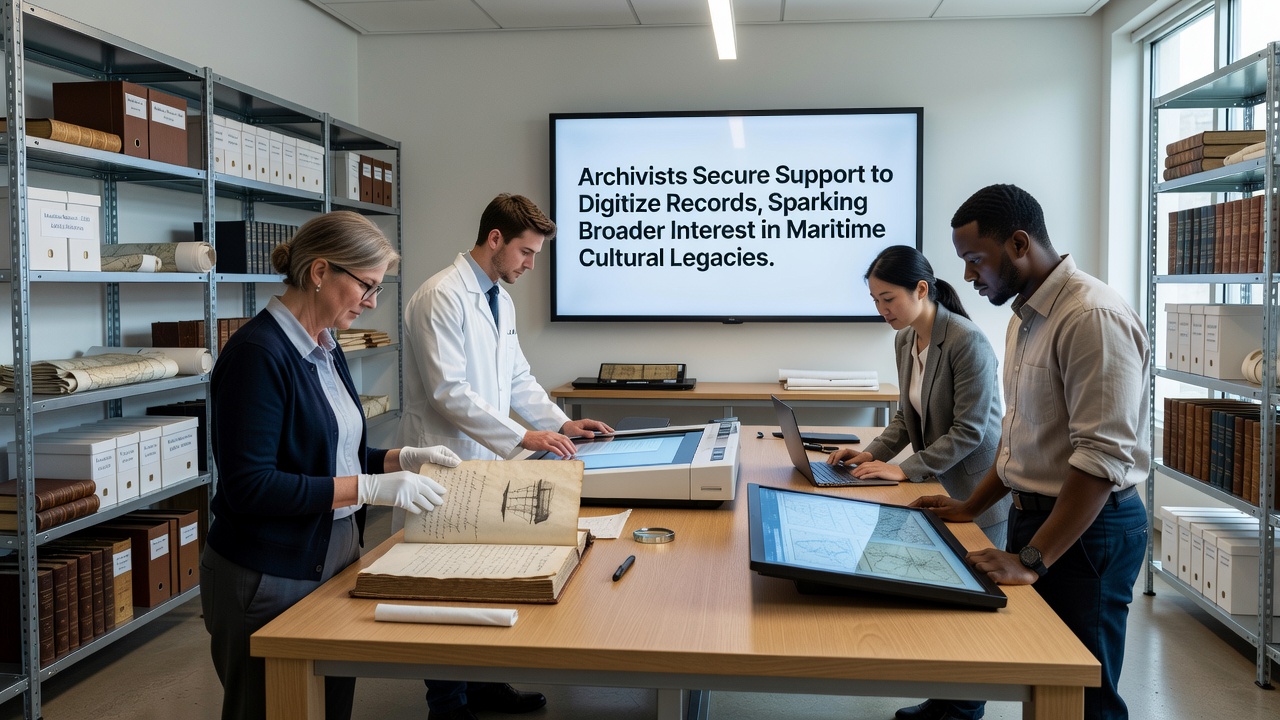
Archivists have obtained funding and institutional backing to convert extensive collections of handwritten logs, ship manifests, and port ledgers into digital formats, and this initiative has drawn fresh attention to maritime cultural legacies across multiple continents. The records span several centuries and include details on trade routes, vessel construction techniques, and daily operations at sea that previously remained accessible only to specialists with physical access to archives.
Funding and Institutional Backing
Government agencies along with private foundations provided the resources needed for equipment purchases, staff training, and long-term storage solutions, while partnerships formed between national archives and maritime museums allowed teams to prioritize materials most at risk of deterioration. Data from similar past projects show that digitization reduces handling of fragile originals by up to 70 percent and expands remote access for researchers who cannot travel to the physical sites.
One initiative coordinated across North American and European institutions focused first on 18th- and 19th-century materials from Atlantic and Pacific voyages, and the effort produced searchable databases that link entries on cargo, crew lists, and weather observations. Those who have worked with the resulting files note that cross-referencing becomes faster when optical character recognition and metadata tagging connect related documents from different collections.
Records Targeted for Conversion
The collections include captain journals from merchant vessels, customs declarations from major harbors, and correspondence between shipping companies and colonial administrations, and each category offers distinct insights into economic patterns and technological changes over time. Teams began with the oldest and most fragile items because ink fading and paper acidity threaten legibility within the next decade if left untreated.
According to reports from the U.S. National Archives, maritime holdings represent one of the largest untapped categories for public research once digitized. Additional materials from Australian and Canadian repositories joined the workflow after agreements standardized file formats and access protocols.
Public Engagement and Academic Response
Once portions of the digitized material appeared online, universities incorporated the datasets into courses on economic history and environmental studies, and independent researchers published new analyses of migration patterns tied to specific voyages. Museums hosted exhibitions that paired the digital records with artifacts recovered from shipwrecks, and visitor numbers rose at several locations that featured interactive displays built from the new archives.
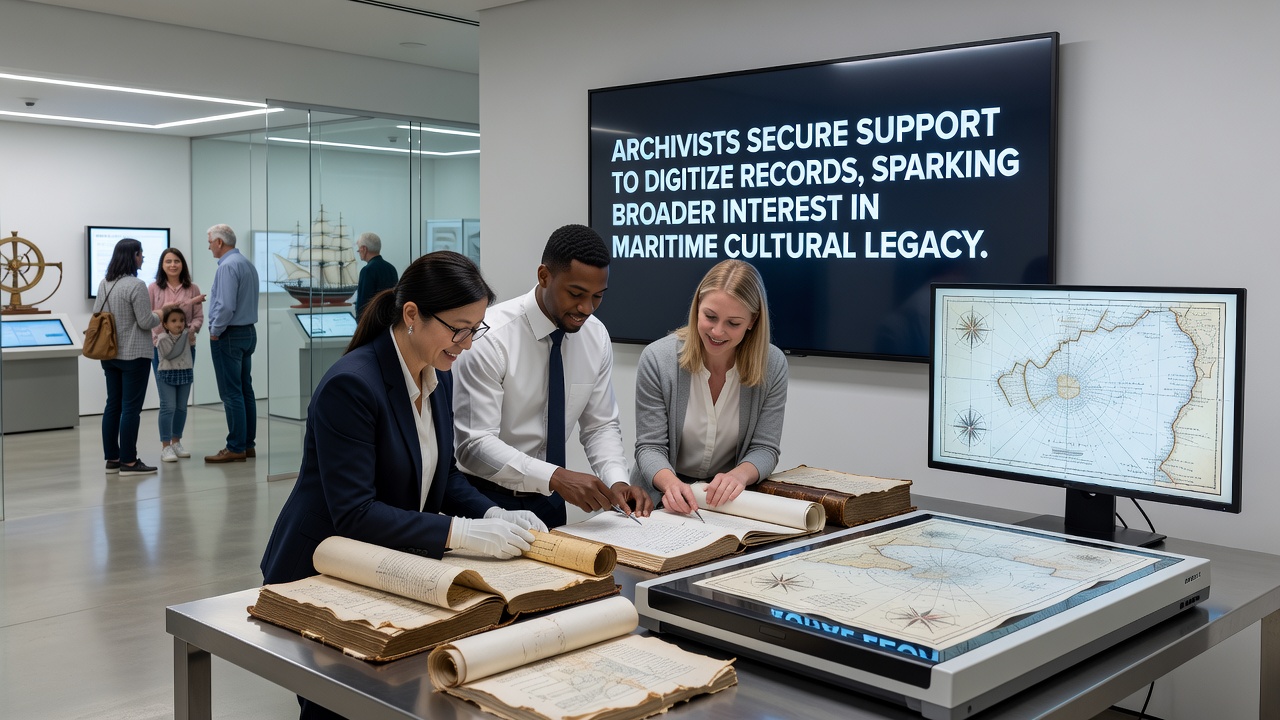
What's interesting is how quickly community groups outside academia began using the material to trace family histories connected to seafaring trades, and local historical societies organized talks that drew audiences beyond traditional maritime enthusiasts. Figures released by participating institutions indicate that website traffic for the newly available collections increased fivefold within the first six months of public release.
Upcoming Milestones in September 2026
Project leaders have scheduled a coordinated release of additional record sets for September 2026, and the timing aligns with international heritage observances that often highlight ocean-related themes. Workshops planned for that month will train librarians and educators on navigating the databases, while a symposium will present findings from early users who applied the digitized materials to questions about climate variability recorded in logbooks.
European partners have prepared supplementary datasets from Baltic and Mediterranean sources that will integrate with the existing platform, and the combined resources are expected to support comparative studies across different ocean basins. Observers note that such phased releases help maintain momentum and allow feedback from initial users to shape subsequent technical improvements.
Broader Effects on Cultural Preservation
Interest generated by the project has prompted other archives to review their own maritime holdings for similar treatment, and several regional institutions have submitted proposals that reference the current effort as a model. The approach combines high-resolution imaging with structured metadata that meets standards set by international library organizations, and this consistency supports future aggregation of records from additional countries.
Researchers who examined the early outputs found connections between documented trade volumes and later industrial developments in port cities, and those findings have appeared in peer-reviewed journals focused on global history. The availability of the records in open formats also encourages citizen-science contributions where volunteers help refine transcriptions that automated systems could not complete accurately.
Conclusion
The digitization program continues to expand access to primary sources that document centuries of human interaction with the sea, and the resulting interest extends from academic circles into public education and local heritage projects. As more collections move online ahead of the September 2026 milestones, the scale of available material supports increasingly detailed examinations of maritime cultural legacies worldwide.